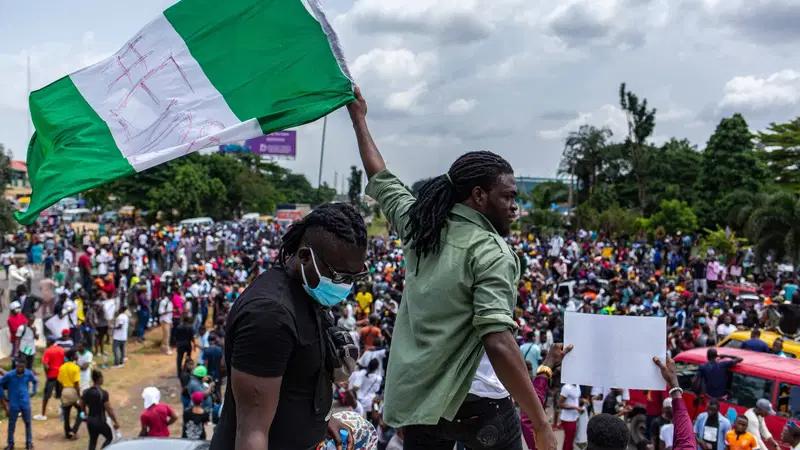
Five years after the #EndSARS protests shook Nigeria and forced the dissolution of the Special Anti-Robbery Squad (SARS), the country’s police reform journey remains a mixture of policy adjustments, public scepticism, and unresolved grievances.
The 2020 protests, driven largely by young Nigerians demanding an end to police brutality, triggered nationwide reforms and the setting up of judicial panels of inquiry across states. While some structural changes have followed, many citizens and experts say the core issues remain deeply entrenched.
Reform Promises vs. Reality
Security reforms introduced after #EndSARS included the disbandment of SARS, internal restructuring of tactical units, improved training modules, and the adoption of complaint-response mechanisms within the Nigeria Police Force.
However, a security governance expert, Dr. Kabir Adamu, argues that the reforms have been largely “administrative rather than transformational.”
“What we have seen is a reorganisation of units, not a fundamental change in policing culture. Accountability is still weak, and trust remains low,” he said.
Similarly, human rights advocate Musa Rafsanjani of CISLAC noted that implementation of reform recommendations has been inconsistent.
“The panels made far-reaching recommendations, but the political will to implement them fully is what is missing,” he said.
Expert Concerns: Institutional Culture Still Intact
Policing experts say one of the biggest challenges is institutional culture, not just structure.
A criminologist at the University of Lagos, Prof. Olayinka Ajayi, explained that reform cannot succeed without addressing recruitment, welfare, and oversight.
“You cannot reform policing by renaming units alone. Until welfare improves and oversight becomes independent, misconduct will persist in different forms,” she said.
Security analyst Zubairu Idris added that the gap between policy and enforcement remains wide.
“Nigeria has some of the best policing policies on paper, but enforcement is the problem. Discipline is inconsistent, and internal accountability systems are weak,” he said.
People’s perceptions
On the streets of Lagos, Abuja, and Port Harcourt, public opinion remains mixed though largely cautious.
A commercial driver in Abuja, Ibrahim Sani, said little has changed in daily interactions with officers.
“They say SARS is gone, but we still face the same harassment at checkpoints. It just has a different name now,” he said.
In Lagos, a small business owner, Toyin Adegoke, echoed similar frustrations.

“We supported the protests because we believed things would change. Five years later, people are still afraid of the police instead of trusting them,” she said.
However, some citizens acknowledge modest improvements in professionalism in certain divisions.
A student in Ibadan, Chinedu Okafor, said interactions with younger officers have shown “slight improvement.”
“Some officers are more polite now than before, but the system still needs a lot of work,” he noted.
Civil Society Reaction: ‘Reform Is Incomplete’
Civil society organisations say that while the dissolution of SARS was symbolic, it did not address deeper structural issues.
A report by the CLEEN Foundation has previously warned that reforms remain “fragmented and poorly enforced,” with accountability mechanisms still weak.
Human rights organisations also argue that victims of police abuse have not received adequate justice.
Amnesty International Nigeria has consistently maintained that “impunity remains widespread,” despite repeated government assurances.
Police Perspective: Internal Efforts Underway
Within the Nigeria Police Force, officials insist that reforms are ongoing.
A senior police officer who requested anonymity said there is greater awareness of human rights principles among officers.
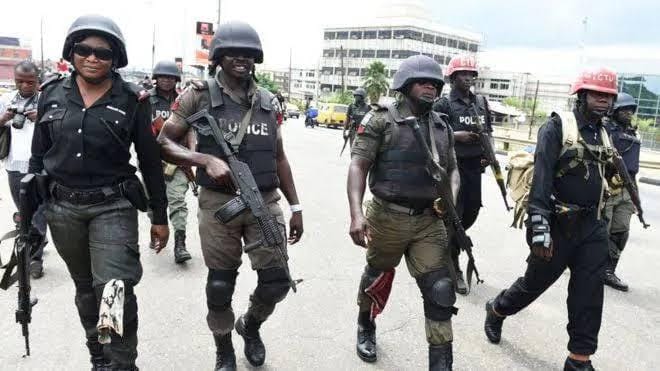
“Training has improved, and officers are more aware of public scrutiny now. But we still face challenges with resources and discipline,” he said.
Police authorities also point to reforms such as complaint response units, digital reporting systems, and renewed training initiatives as evidence of progress.
The Bigger Question: Trust Deficit Persists
Despite these efforts, the trust gap between citizens and the police remains significant.
Security analyst Dr. Kabir Adamu summed up the situation:
“The biggest casualty of #EndSARS is trust. Rebuilding it requires consistency, accountability, and time not just reforms on paper.”
Conclusion: A Reform Journey Still in Progress
Five years after the protests that changed Nigeria’s civic landscape, the story of police reform remains unfinished. While institutional changes have been introduced, experts, civil society groups, and citizens agree that the transformation has yet to match public expectations.
As one activist put it.
“#EndSARS was not just a protest against brutality it was a demand for dignity. That demand is still alive.”