Inside Nigeria’s prisons, survival depends on three things — food, healthcare, and safe buildings. For over 91,000 inmates, when these are lacking, daily life becomes a struggle, and the line between dignity and despair disappears.
Recent budget submissions from the Nigeria Correctional Service (NCoS) reveal, the day-to-day realities within these walls tell a different story one defined by strained feeding systems, underfunded healthcare, and ageing infrastructure.
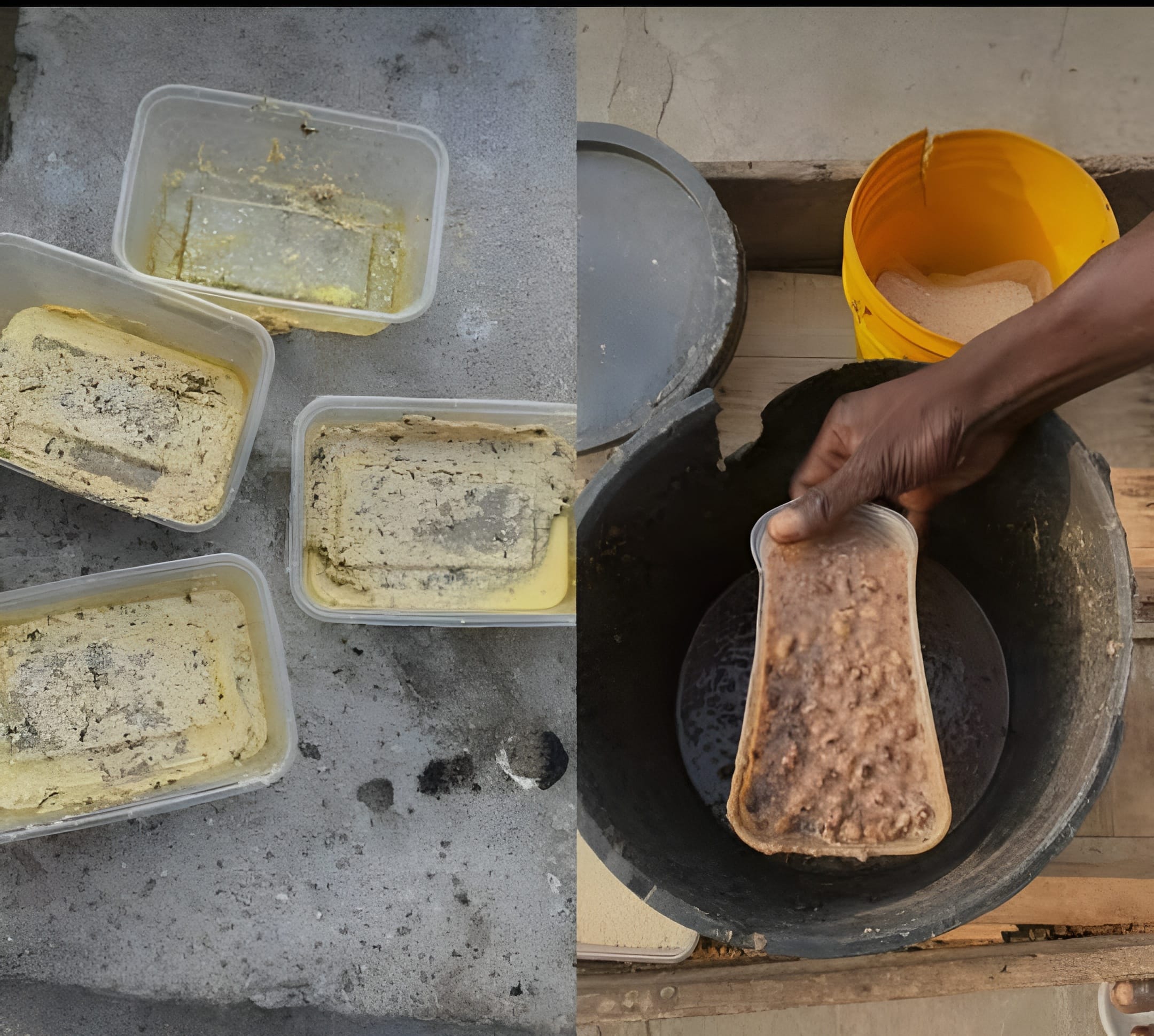
The Challenge of Feeding Nigeria’s InmatesFeeding inmates is one of the most visible and resource-intensive aspects of prison management. In its 2026 fiscal proposal, the NCoS requested ₦14.83 billion to provide meals for approximately 91,100 inmates at ₦1,125 per day, a rate designed to meet international nutritional standards.“We are committed to ensuring that every inmate receives meals that meet basic dietary standards,” the Service emphasized in its budget defence before the National Assembly. Yet even with increased allocations, challenges persist. In 2025, ₦27.28 billion was spent nationwide on feeding, but ₦10.75 billion in liabilities remained unpaid, highlighting the ongoing strain on resources and the daily uncertainty faced by inmates and their families.
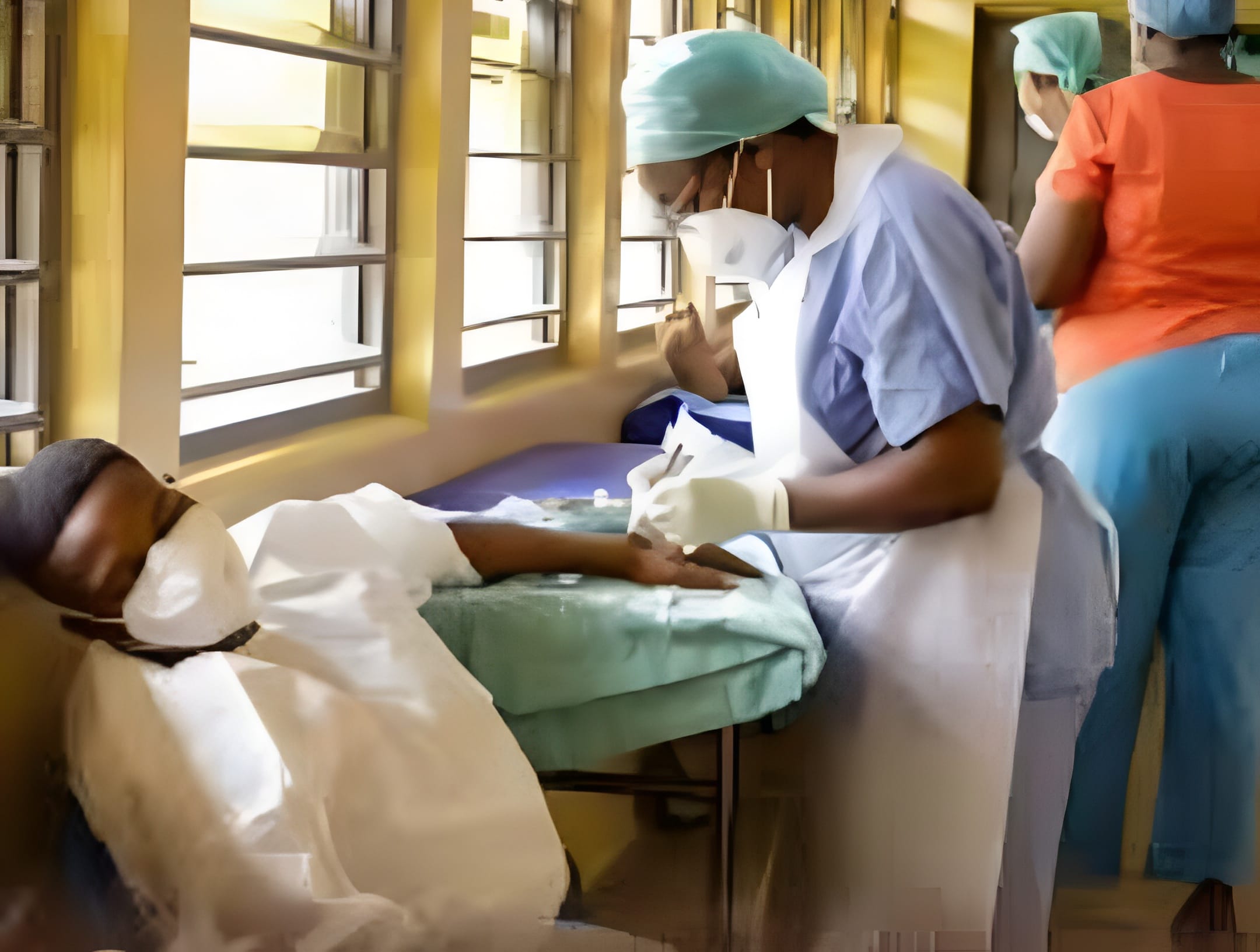
The Struggle to Keep Inmates Healthy Amid Underfunded Healthcare facilities .Healthcare in custodial centres remains underfunded and overstretched. Many prisons lack functional clinics and essential medical supplies, forcing staff to arrange emergency care outside the facilities at additional cost. Inmates with chronic illnesses or urgent medical needs often endure delays that exacerbate their conditions.“Our commitment to humane treatment must be matched by adequate healthcare provisions,” the NCoS stated during its 2026 budget defence. Healthcare is not merely a line in the budget; it is a lifeline. The human cost of underfunding is measured not in figures but in suffering — inmates facing preventable illness, overcrowded wards, and families struggling to supplement care.
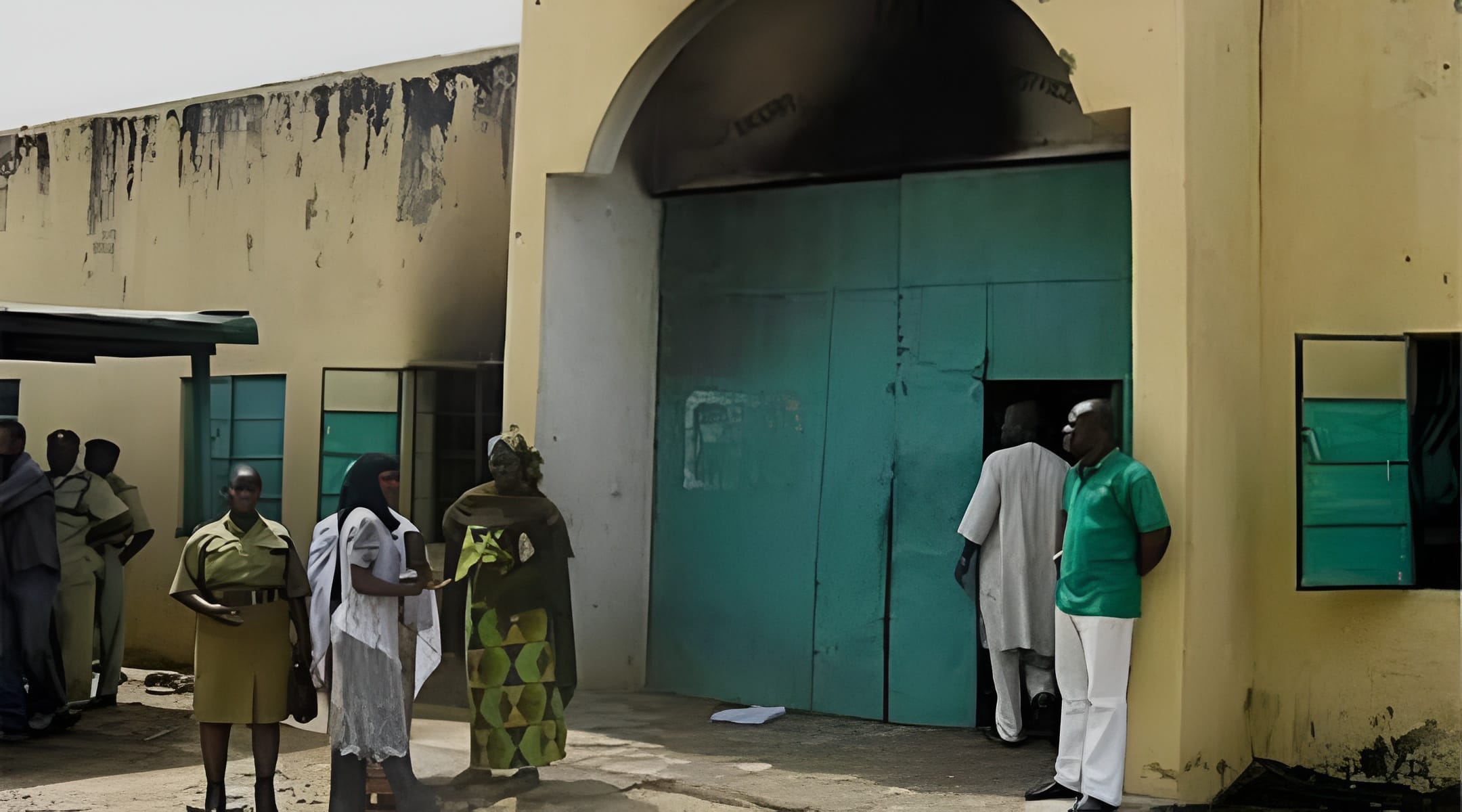
The Collapse of Decades-Old Prison FacilitiesPerhaps the most pressing challenge is infrastructure. Many custodial centres were built decades ago and now operate far beyond their designed capacity, creating unsafe, unsanitary, and overcrowded conditions.During the 2026 budget defence, NCoS officials highlighted that capital funding shortfalls have severely limited the Service’s ability to modernize facilities, procure operational vehicles, install advanced security systems, or expand capacity. Only ₦3.22 billion (22 %) of the ₦14.50 billion capital allocation in 2025 was released, leaving critical projects unfinished. The Service’s 2026 proposal seeks ₦90.38 billion in additional capital funding, signalling a major push to address infrastructure deficits and relieve congestion. The hope is that with timely release and effective management, inmates and staff alike could experience safer, more functional environments.As the NCoS leadership emphasized in their defence before the National Assembly, “Transparency, accountability, and efficient use of funds are central to safe custody, humane treatment, and effective rehabilitation.” Feeding, healthcare, and infrastructure are more than budget lines; they are measures of how society treats its most vulnerable, including those behind bars. The 2026 budget proposal reflects not only financial planning but a vision one where adequate resources could transform Nigeria’s custodial system from a place of strain into one of dignity and reform.